Wander Slowly Through Slovenia’s Artisan Villages
Charting the Journey
Hands That Shape Memory
Idrija Lace, Threaded With Mountain Light
In small rooms, bobbins chatter across cushions as patterns bloom from pins and patience. Watch fingers translate sketches into air and shadow, then ask about care, hours of work, and family stories. If you purchase, request the maker’s name on a tag, so you can credit them each time your tablecloth or collar gathers compliments.
Kropa Iron Forged to a Bright Edge
Water once powered hammers that shaped nails for distant cities, and the rhythm still echoes when a smith heats steel to orange and draws it slender. Step back from sparks, ask permission before photographing, and notice how each hammer face leaves a signature. Bring earplugs, admiration, and time for museum stories that tie river, fire, and livelihoods.
Ribnica Wood and Clay with Everyday Grace
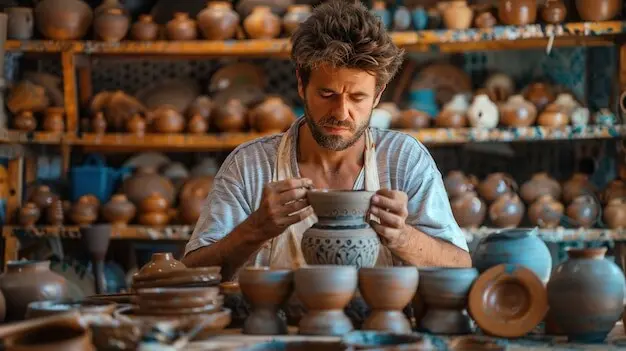
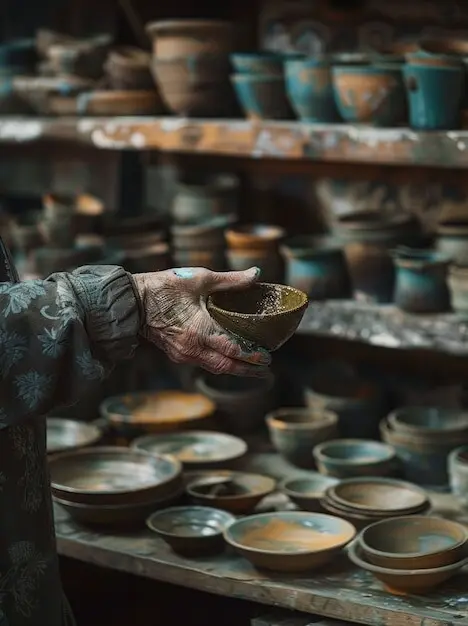
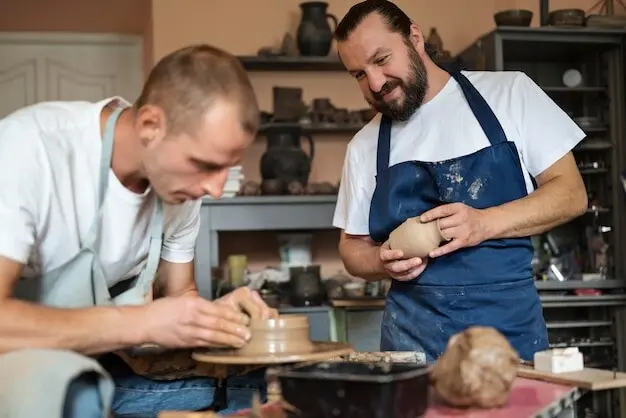
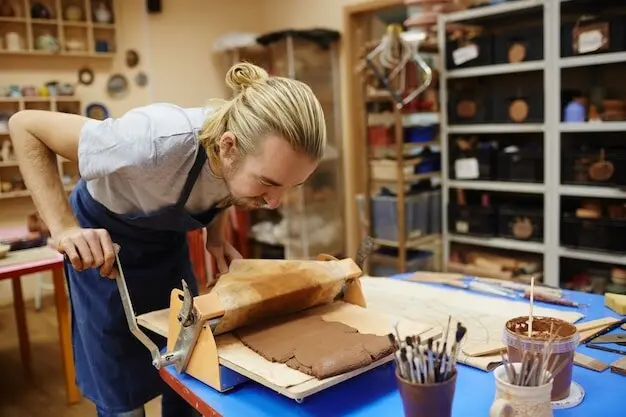
Stalls and workshops turn maple, beech, and local clay into spoons, sieves, butter churns, and humble pitchers that outlast fashions. Learn why a rim is thickened, how a handle resists steam, and which glaze prefers slow drying. When a maker’s knife pauses, offer questions, then carry home tools that will keep teaching you in the kitchen.
Salt, Stone, and the Breath of the Coast
Alpine Workbenches and Meadow Songs
Solčava Woodcraft and the Long View
The panoramic road threads farms where lathes sing beside windows framing cliffs and spruce. Makers explain drying times, grain direction, and why a bowl’s profile feels kind to the wrist. Visit the center that maps stories, schedule a workshop, and test finishes that smell of linseed and mountain air, then ship pieces rather than overloading your pack.
Bohinj Cheesemakers and Carvers by the Stove
In wooden huts, milk steams into cheeses that taste of hay, herbs, and weather, while quiet hands carve spoons in the same room. Respect hygiene zones, learn slicing traditions, and ask about aging boards. Buy small, wrap carefully, and pair with bread from the next village, turning a hilltop bench into a dining table with mountain views.
Weavers, Felt, and Wool in High Valleys
Fleeces become yarns on wheels that hum like distant bees, then felted slippers and rugs that warm stone floors through long winters. Ask how lanolin changes with breeds, try a shuttle, and respect drying racks. Purchase lighter items if you hike, and share maker names online so future visitors find the same welcoming doors open.
Festivals Where Craft Walks the Streets
Kurent Masks and the Thump of Spring
In workshops around Ptuj, wool, leather, and wood converge into towering figures whose bells drum winter away. Respect makers’ rules, as masks are sacred to communities, not costumes for random selfies. Ask about carving, stitching, and meanings, then watch processions with patience, offering smiles, not grabs, and later supporting artisans by ordering responsibly made accessories or miniatures.
Guild Legacies in Škofja Loka
Streets curve past houses that once held guild rooms, and you can still spot trade symbols on metalwork and lintels. Visit small museums, buy from today’s smiths and carvers, and compare tools across centuries. Many artisans will share apprenticeship tales; invite them to your inbox by subscribing, then reply with thanks and questions that keep dialogues alive.
Village Fairs and Open Studios
Watch calendars for days when barns become galleries and fences line with handcrafted brooms, baskets, and bowls. Studios open for demonstrations, small classes, and long chats over herbal tea. Arrive early with cash, tote bags, and patience; postcards help with language gaps. Leave respectful reviews online, guiding fellow travelers toward makers who value time and conversation.
Travel Kindly, Buy Wisely, Share Generously