From Forest to Workshop: Sustainable Materials Powering Slovenian Handcrafts

Welcome to a journey across Slovenia’s living woodlands and lively studios, where From Forest to Workshop: Sustainable Materials Powering Slovenian Handcrafts unfolds through real people and patient processes. We will meet foresters, woodturners, weavers, potters, and stoneworkers whose choices transform spruce, beech, wool, flax, clay, and river rock into enduring, repairable objects that nourish homes, livelihoods, and landscapes together.

Roots in Responsible Forestry

Across Slovenia, where more than half the land is forested, responsible forestry balances biodiversity, livelihoods, and long-term craft viability. Selective harvesting, storm-fallen salvage, and careful road planning keep hillsides stable and streams clear. This stewardship lets artisans trace material back to living ecosystems, ensuring every bowl, spoon, stool, and instrument carries a verifiable story of care, regeneration, and community trust.

01

Selective Harvesting, Lasting Landscapes

Rather than removing entire stands, foresters choose individual trees based on age, health, and habitat value, allowing light to reach saplings while deadwood shelters insects and birds. This patient rhythm protects soil, slows erosion, and keeps fungi networks resilient. Artisans gain consistent, high-quality timber and a dependable calendar for seasoning, which supports careful joinery, stable dimensions, and fewer material surprises later.


02

Kocevje to Pohorje: A Living Classroom

Walks with local foresters in regions like Kocevje and Pohorje reveal reading rings, identifying windthrow, and understanding how slope, altitude, and aspect shape wood density. Makers listen, notebooks open, learning when beech is driest to fell, why spruce near ridgelines resonates differently, and how wildlife corridors guide skid trails. Knowledge travels directly from hillside to bench, refining every cut and finish.

03

The Wood’s Passport

Traceability is practical, not paperwork for its own sake. Sawmill stamps, cooperative ledgers, and simple digital logs connect a spoon blank to a stand, a stand to a map grid, and that grid to a replanting schedule. Customers scan a code, see the forester’s notes, storm dates, and drying charts, transforming purchase into partnership while reinforcing honest pricing and responsible future harvests.

Wood That Breathes Craft

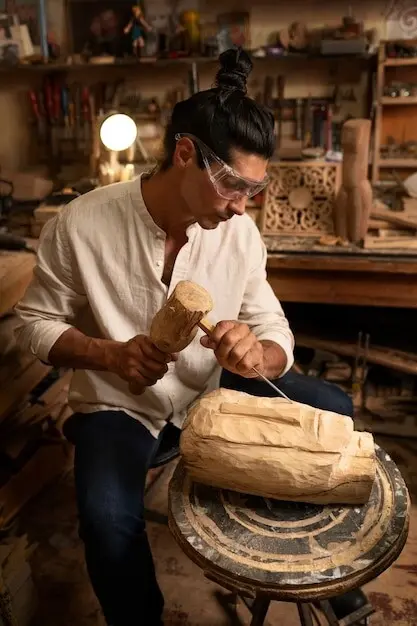
Slovenian species each lend distinct strengths: beech shapes smoothly for kitchenware, spruce sings in soundboards, oak guards liquids in casks, ash absorbs shocks in tool handles, hornbeam shrugs off mallet blows. Air seasoning replaces haste, and offcuts become toys, chess pieces, pegs, or smoking chips. Nothing travels far, nothing is wasted, and grain direction is treated like dialogue with time.

Fibers of Meadow and Mountain

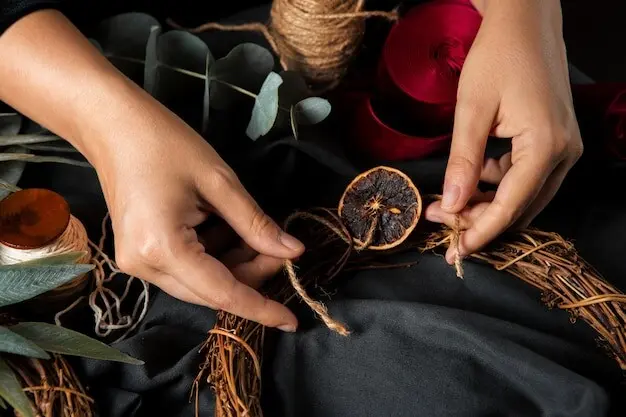
Beyond timber, fibers anchor comfort and culture. Wool from hardy mountain flocks, flax and hemp from reviving fields, and even nettle fiber reintroduced by curious makers form breathable, repairable textiles. Natural dyes from walnut hulls, alder cones, and garden plants replace synthetics. Spinners, knitters, and weavers align harvest, retting, scutching, and fulling to seasons, creating garments that trace seasons rather than fashion calendars.

Clay, Stone, and Earthwise Fire

Local clay pits, river stones, and salvaged kiln fuel anchor grounded making beyond wood and fiber. Potters wedge hillside clays, refine with sieves, and test low-impact firings that prioritize even heat and careful cooling. Stoneworkers read fractures, notches, and veins before one chisel strike. The result is cookware, tea bowls, and mortars that outlast fads while honoring geology and practical energy choices.

Designing for Repair and Return

Good design begins with the afterlife in mind. Makers choose joinery that can be unpinned, finishes that can be refreshed at home, and shapes that invite replacing a part rather than discarding the whole. Repair diaries accompany objects, and neighborhood fix nights welcome owners back. The goal is usefulness through years, not seasons, measured in stories of renewal rather than sales cycles.

Community, Certification, and Fair Value

Sustainability thrives where people collaborate. Cooperatives pool orders for local timber, wool processing, and kiln firings, lowering costs while strengthening standards. Certifications and maker labels prioritize traceable materials, worker well-being, and honest processes. Clear pricing explains hours, waste reduction, and tool maintenance. Buyers become partners, not spectators, as newsletters, studio visits, and workshops turn admiration into shared responsibility and long-term cultural resilience.
Mexopexilentovirokentodari
Privacy Overview

This website uses cookies so that we can provide you with the best user experience possible. Cookie information is stored in your browser and performs functions such as recognising you when you return to our website and helping our team to understand which sections of the website you find most interesting and useful.